Eco-friendly & low-toxicity pest control
If you want pest control with fewer chemicals or lower-risk products, you have options. The best plan depends on the pest, the building, and how serious the problem is, so it helps to compare licensed local companies and ask clear safety questions before any treatment.
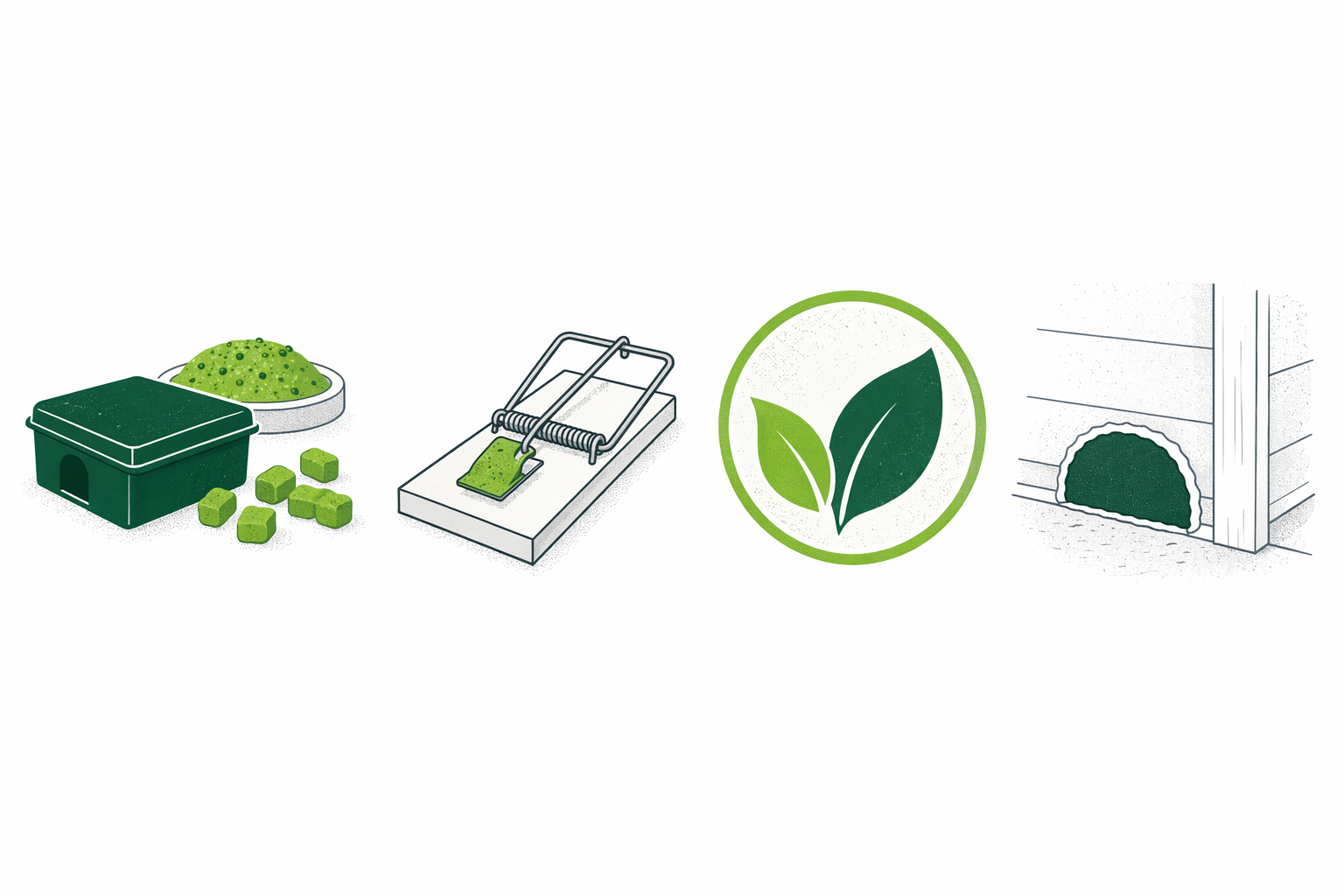
What “eco-friendly” really means in pest control
Eco-friendly does not mean chemical-free, non-toxic, or safe in every situation. It usually means a company tries to use the least risky effective approach first. That can include:
- fixing entry points, moisture problems, and food sources
- traps, exclusion, sanitation, and monitoring
- targeted products instead of broad spraying
- lower-odor or lower-toxicity materials where they fit the pest problem
- fewer applications by focusing on prevention
A good company should explain why it recommends a product or method, where it will be used, and what you need to do before and after service. You should also ask whether there are lower-toxicity or eco options for your specific pest.
For many homes and small businesses, the most practical approach is integrated pest management, often called IPM. That means combining cleaning, sealing, habitat changes, monitoring, and only using pesticides when needed. If you are not sure what pest you are dealing with, start by learning to identify common house pests.
What lower-toxicity service can include
Not every pest can be handled the same way. Ants, roaches, rodents, termites, bed bugs, mosquitoes, and pantry pests all need different tactics. In many cases, lower-toxicity service focuses on targeted treatment plus prevention, not routine heavy spraying.
Here are common examples:
1. Ants and roaches
- bait placements in specific areas instead of spraying every room
- sealing cracks and reducing food and water access
- follow-up monitoring to see if activity changes
2. Rodents
- exclusion work, snap traps, monitoring stations, and sanitation advice
- careful placement of any rodent-control products away from children, pets, and food
- attic, crawl space, and exterior entry-point work when needed
3. Termites
- moisture correction recommendations and wood-to-soil contact reduction
- monitoring systems in some situations
- targeted treatment plans when active termites are confirmed
4. Mosquitoes and outdoor pests
- source reduction such as removing standing water
- treatment focused on harborage areas instead of blanket application everywhere
Typical cost ranges: a one-time general pest visit often runs about $150-$350. Recurring plans often run about $45-$120 per visit. Rodent control is often about $200-$600. Termite treatment often falls around $500-$2,500+. These are estimates, not quotes. The real price depends on the pest, your property size and condition, the severity of the infestation, the plan, and your area.
If you want a greener ongoing plan, compare options for recurring pest control and ask each licensed company what they do first before applying products.
How to ask for a safer plan before you hire
You do not need to be an expert. You just need a short list of smart questions.
Ask each company:
- Are you licensed and state-certified for this pest? Verify the license yourself.
- What pest do you think this is, and what evidence supports that?
- What non-chemical steps do you recommend first?
- Can you offer lower-toxicity or eco-friendly options for this pest?
- Where exactly would products be applied? Indoors, outdoors, cracks only, bait stations, dusts, spot treatment?
- What preparation is needed before service?
- How should we protect children, pets, and food before and after treatment?
- What product labels or service notes will you provide?
- What is the typical cost range for the first visit and follow-up visits?
- Can you put the price, scope, warranty terms, and safety steps in writing before treatment?
A trustworthy company should be able to explain the plan in plain language. It should not pressure you to approve treatment you do not understand.
Before any pesticide use, read the product labels and follow all safety directions. Confirm how long kids and pets should stay away from treated areas, how food-prep surfaces should be handled, and whether fish tanks, pet dishes, toys, or bedding need extra protection. ShieldNest can help you compare licensed local companies, but you choose who to hire and you confirm the safety steps before any treatment. Use our guide to vet a pest control company.
Common mistakes people make when trying to go green
Wanting a safer plan is smart. But a few common mistakes can make the problem worse or cost more later.
- Waiting too long. A small issue can turn into a larger infestation. That is especially true for rodents, roaches, termites, and bed bugs.
- Using random store products without identifying the pest. The wrong product can fail, spread the problem, or create more exposure without solving anything.
- Thinking “natural” means harmless. Essential oils and DIY products can still irritate people or pets, and many do not solve established infestations.
- Skipping cleaning and repair work. If crumbs, leaks, clutter, gaps, or standing water stay in place, pests often come back.
- Not asking where products will be used. Broad indoor spraying is not the same as targeted baiting or crack-and-crevice treatment.
- Hiring without checking the license. Always hire a licensed, state-certified pest control company and verify it yourself.
- Not getting the plan in writing. Confirm the service scope, estimated cost, follow-up schedule, and safety directions before treatment.
Also remember: no honest company can guarantee a pest will never return. Pests can come back, especially if entry points, moisture, sanitation, or neighboring conditions are still attracting them. The goal is to reduce risk, treat the current problem, and lower the chance of future activity.
What to do next
If you want lower-toxicity pest control, take these steps:
- Identify the pest as best you can. Note where you see it, when you see it, and how often.
- Take a few photos. This can help a licensed company understand the problem faster.
- Reduce what is attracting pests. Clean food spills, fix leaks, empty trash, store food in sealed containers, trim vegetation, and seal obvious gaps.
- Tell each company you want lower-toxicity options. Ask what they can do first with exclusion, baiting, monitoring, trapping, and targeted treatment.
- Compare written plans. Look at the scope, the safety steps, follow-up schedule, and the typical price range.
- Verify the license yourself. Do not skip this.
- Protect kids, pets, and food. Read labels, follow all directions, and confirm re-entry and cleanup steps before service.
ShieldNest is a free matching service. We help households and small businesses connect with licensed local companies so you can compare options yourself. Participating pest control companies pay a flat fee to take part. If you are ready to compare local pros, start here: get matched. If you want more background first, review pest control costs or read our guide to eco-friendly pest control.
Ask for a licensed, state-certified company that can offer lower-toxicity options and explain the plan in simple words. Compare written prices and safety steps, verify the license yourself, and protect children, pets, and food before any treatment.