DIY vs Professional Pest Control
DIY pest control can work for small, early problems. Bigger infestations, hard-to-find nests, or pests like termites, bed bugs, and rats usually need a licensed, state-certified pest control company.
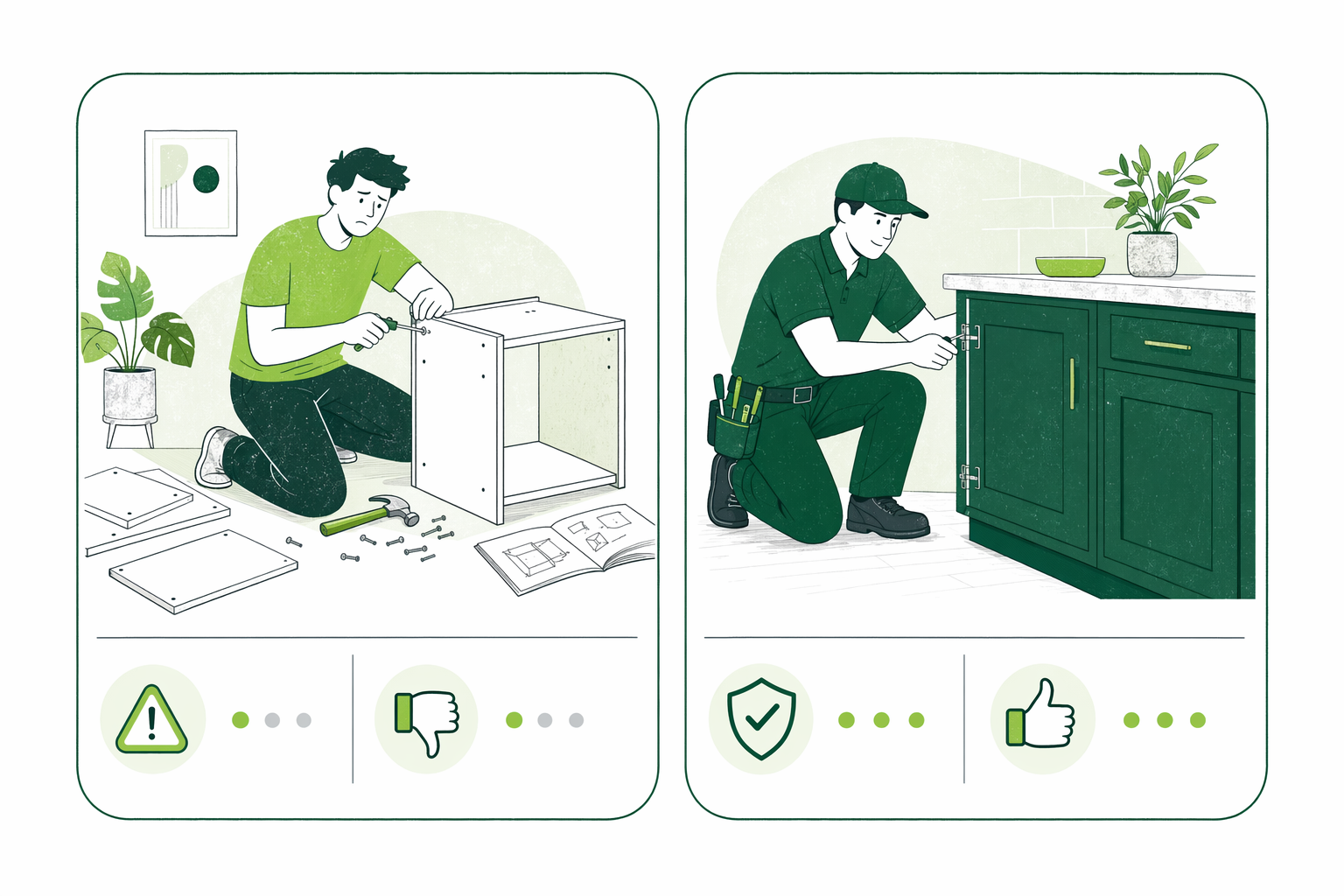
The honest difference
DIY means you buy traps, baits, sprays, or sealing materials and do the work yourself. Professional service means a licensed, state-certified pest control company inspects the situation, explains a treatment plan, and handles the work under state rules.
The big difference is not just convenience. It is identification, access, safety, and follow-up. Many pest problems look similar at first. Ants can be confused with termites. Mouse activity can be mistaken for roaches. Biting pests may not be bed bugs at all. If you are not sure what you are seeing, start by learning the basics in common house pest identification.
DIY is usually cheaper up front. But it can cost more in the long run if the pest is misidentified, the wrong product is used, entry points are missed, or the infestation is already established behind walls, under slabs, in attics, or inside equipment.
Professional service costs more because you are paying for trained labor, licensed pesticide handling where needed, better access to treatment tools, and a written plan. Even then, no one can honestly guarantee a pest will never come back. Conditions change, new pests can enter, and follow-up may still be needed.
DIY vs pro: side-by-side
1. Up-front cost
- DIY: Often lower at first. A few traps or baits may cost less than a service call.
- Pro: A typical one-time treatment range is about $150-$350. Recurring plans often run about $45-$120 per visit. Rodent control often falls around $200-$600. Termite treatment is often $500-$2,500+. Bed bug treatment is often $300-$1,500+. Real price depends on the pest, property size and condition, severity, the plan, and your area. See more in pest control cost ranges.
2. Speed and convenience
- DIY: You can start today.
- Pro: You may need to schedule, but treatment is often faster and more targeted once the company confirms the pest and scope.
3. Best for
- DIY: A few ants in the kitchen, light seasonal spiders, a small wasp nest that is easy to see and safely avoid, or prevention steps like sealing cracks and reducing moisture.
- Pro: Termites, bed bugs, rats, recurring roaches, large ant colonies, fleas, wildlife concerns, or anything spreading through multiple rooms or units.
4. Safety
- DIY: Risk goes up when labels are not followed, products are mixed, or sprays are used near children, pets, food, bedding, or food-prep areas.
- Pro: A licensed company should explain the product, where it goes, re-entry timing, and how to keep kids, pets, and food safe. Ask about lower-toxicity or eco-friendly pest control options where they fit.
5. Long-term control
- DIY: Works best when you also remove food, water, shelter, and entry points.
- Pro: Better for integrated plans that combine monitoring, exclusion, sanitation advice, and follow-up visits.
6. Paper trail
- DIY: You are tracking products and results yourself.
- Pro: You should get the price, scope, products, prep steps, and follow-up plan in writing before any treatment.
When DIY makes sense, and when it does not
DIY can make sense when the problem is small, visible, and early.
- You have seen a few ants and can place bait where kids and pets cannot reach.
- You are using snap traps for one mouse sighting while sealing obvious gaps.
- You are doing prevention: fixing leaks, storing food in sealed containers, trimming vegetation, and reducing clutter.
DIY is usually not the smart first move when:
- You see mud tubes, discarded wings, or wood damage that could mean termites. Read more about termite control.
- You suspect bed bugs, especially in multiple rooms or after travel.
- You hear scratching in walls or attic spaces, see droppings often, or smell strong rodent odor. More here: rodent control.
- Roaches keep coming back after sprays.
- The pest problem affects tenants, customers, or shared walls in a multi-unit building.
- Anyone in the home or business has chemical sensitivities and you need a careful, written plan.
A good rule: if you cannot clearly find where the pests are living, how they are getting in, and what species they are, DIY becomes a gamble.
How to choose without wasting money
Use this simple checklist.
- Identify the pest as best you can. Photos help. If you are unsure, do not guess with heavy pesticide use.
- Estimate the size of the problem. One room? Whole home? Kitchen only? Daytime sightings often suggest a larger issue for some pests.
- Think about risk. Is this a food business, daycare area, apartment, or a home with children or pets?
- Compare the likely total cost. A few failed DIY attempts can add up fast.
- Get quotes from licensed companies for bigger or recurring problems. For ongoing prevention, recurring pest control may cost less over time than repeated emergency visits.
Before you hire anyone:
- Verify the company license yourself with your state.
- Ask exactly what pest they believe it is and why.
- Ask what products or methods they plan to use.
- Ask how they will protect children, pets, and food.
- Read product labels and follow all pesticide-safety directions.
- Confirm the full price and plan in writing before treatment.
- Ask what follow-up is included, and what is not.
If you want help comparing local options, ShieldNest can match you for free with licensed, state-certified pest control companies near you. Participating companies pay us a flat fee, so you compare quotes and choose who to hire.
A practical next step
If the problem is minor, visible, and low-risk, start with sanitation, moisture control, exclusion, and a careful label-following DIY product. Keep kids, pets, and food away from treatment areas, and do not use more product than the label allows.
If the pest is damaging property, spreading, coming back, or hard to identify, get professional opinions now. For most households and small businesses, the best value is not the cheapest first step. It is the step that identifies the real pest, reduces repeat treatment, and gives you a written safety and follow-up plan.
ShieldNest does not treat pests or apply pesticides. We are a free matching service that helps you understand typical costs, compare options, and connect with licensed companies so you can make an informed choice.
Small, early pest problems may be worth a careful DIY try. If the pest is unclear, keeps coming back, or may be termites, bed bugs, roaches, or rodents, compare written quotes from licensed companies, verify the license yourself, and make sure the safety steps for kids, pets, and food are clear before any treatment.