Cockroach control
Roaches are hard to solve with spray alone. ShieldNest helps you understand typical costs, safety steps, and your options so you can compare licensed local pest control companies and choose what fits your home or small business.
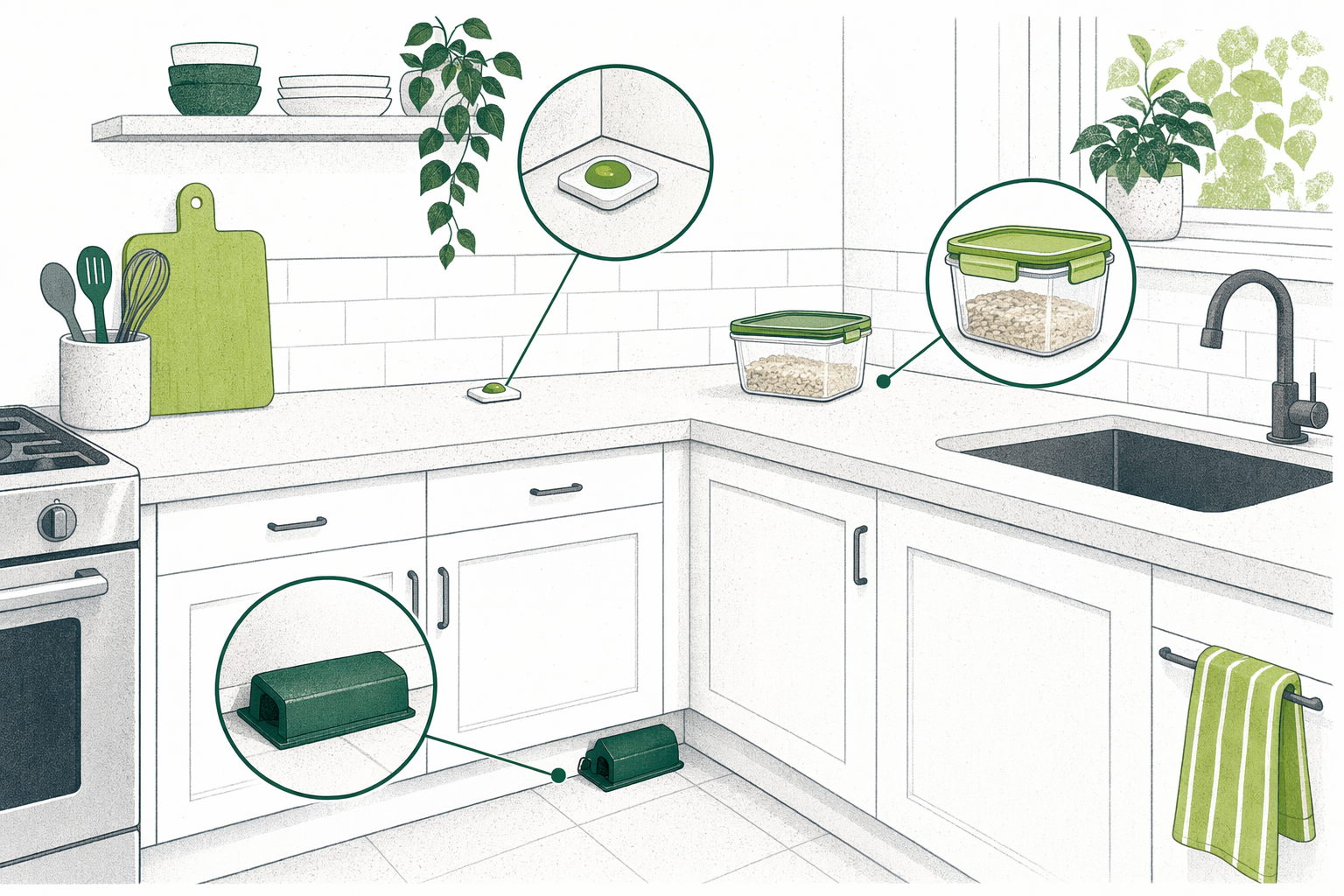
What cockroach control usually involves
Cockroach problems are rarely fixed by one quick spray. Roaches hide deep in cracks, behind appliances, under sinks, inside wall gaps, and near plumbing. They also keep coming back if food, water, and hiding spots stay easy to reach.
A licensed, state-certified pest control company may suggest a plan that combines inspection, monitoring, sanitation advice, targeted baiting, crack-and-crevice treatment, and follow-up visits. The exact approach depends on the type of roach, the size and condition of the property, how severe the infestation is, and your area.
Common species include German cockroaches, American cockroaches, Oriental cockroaches, and smoky brown roaches. German roaches are often the hardest in kitchens and apartments because they breed fast and hide close to food and moisture.
If you are not fully sure what pest you have, start with common pest ID help. If you want to compare local options, you can get matched for free. ShieldNest does not treat pests or apply pesticides. We help you compare licensed local companies.
How treatment usually works
Most professional cockroach control plans follow a few basic steps:
- Find the activity areas. A licensed pro looks for droppings, egg cases, shed skins, odor, grease marks, and live activity around kitchens, bathrooms, utility rooms, drains, and trash areas.
- Reduce food and water access. This often matters as much as treatment. Roaches need moisture. Leaks, dirty dishes, grease, cardboard, pet food left out overnight, and open trash all help them survive.
- Use targeted products and traps. Many companies use baits, insect growth regulators, glue monitors, and crack-and-crevice applications rather than broad over-spraying. Lower-toxicity or eco-friendly options may be available depending on the situation.
- Seal and exclude where practical. Gaps around pipes, wall voids, broken sweeps, and openings around cabinets can make the problem worse.
- Return for follow-up if needed. Roach control often takes more than one visit, especially in apartments, restaurants, shared walls, or severe infestations.
Be careful with do-it-yourself mixing. Some store sprays can scatter roaches into new hiding spots or make bait less effective. A licensed company should explain what products may be used, where they may be placed, and what preparation you need to do first.
Before any treatment, read the product labels and follow all pesticide-safety directions around children, pets, and food. Ask whether bait placements, reduced-risk products, or other lower-toxicity methods fit your situation.
Typical cockroach control cost range
For many homes, one-time general pest treatment often runs about $150-$350 as a typical range. If the issue is mostly cockroaches, the real price may land lower or higher depending on:
- the roach species
- how heavy the infestation is
- apartment vs single-family home vs business
- square footage and layout
- how much follow-up is needed
- sanitation and repair issues
- local labor and material costs
A recurring pest control plan often runs about $45-$120 per visit on a quarterly or bi-monthly schedule. Recurring service can make sense when roaches are tied to ongoing building conditions, shared walls, trash areas, drains, or food-handling spaces. You can read more about broader recurring pest control and general cost ranges.
For severe infestations, prices can go above a basic one-time visit because the company may need more monitoring, more bait placements, more follow-up, or a larger service area. Small businesses such as restaurants, markets, salons, or apartment landlords may also face higher costs because of sanitation requirements, access issues, and repeat service needs.
These are estimates, not quotes. The real price depends on the pest, the size and condition of the property, how severe the infestation is, the plan, and your area. Always confirm the final price and what is included in writing before any treatment.
One-time service vs recurring service
A one-time visit can help in some situations. A recurring plan can be better in others.
One-time service may fit if:
- you caught the issue early
- the activity is limited to one area
- sanitation and moisture problems are easy to fix
- there are no shared walls or repeated re-entry points
Recurring service may fit if:
- roaches keep coming back
- you live in a multi-unit building
- there is a restaurant, shop, daycare, office kitchen, or other food area
- trash, drain, or moisture issues are ongoing
- you want regular monitoring and prevention
Neither option is a guarantee. Roaches can come back, especially if neighboring units have activity, leaks continue, food is left accessible, or gaps stay open.
Ask each company to explain:
- how many visits they expect
- whether follow-up is included
- what happens if activity continues after the first treatment
- what prep you must do before and after service
- whether they recommend a one-time or recurring plan, and why
That gives you a more honest comparison than price alone.
Safety steps for children, pets, food, and sensitive spaces
Pesticide safety matters. The goal is to control roaches while keeping people and animals safe.
Before you hire anyone, ask how they protect:
- Children who crawl, touch floors, or put objects in their mouths
- Pets that lick surfaces, eat fallen bait, or move around kitchens
- Food and dishes in cabinets, counters, pantries, and prep areas
- Sensitive people with asthma, allergies, or chemical sensitivities
A professional plan should clearly tell you:
- whether you need to empty cabinets or cover items
- how to handle pet bowls, toys, and bedding
- when it is safe to re-enter treated areas
- whether bait stations or crack-and-crevice applications are being used instead of broader exposure methods where appropriate
- what lower-toxicity or eco options may be available
You should also ask for the product names if pesticides will be used, then read the label and follow all directions around kids, pets, and food. For more on this, see pesticide safety around kids and pets.
Good providers also talk about non-chemical steps: fixing leaks, sealing gaps, reducing clutter, cleaning grease, improving trash handling, and storing food in sealed containers. That usually helps results last longer.
What to ask before you hire a cockroach control company
Do not just ask, "How much is it?" Ask enough to understand the plan.
Use this checklist:
- Are you licensed and state-certified for pest control in my state?
- Can you give me your license number so I can verify it myself?
- What kind of roach do you think this is, and why?
- What treatment methods do you usually use for this problem?
- Do you offer lower-toxicity or eco-focused options where they fit?
- How many visits do you expect, and is follow-up included?
- What prep is needed before treatment?
- What safety steps should I follow for children, pets, and food?
- What is the written price for the first visit and any future visits?
- What is excluded from the price?
- What conditions could make the cost go up?
- What should I do if roaches return?
If you are comparing companies, try to compare the same scope. One lower price may only cover a quick visit, while another includes follow-up and monitoring.
ShieldNest makes that easier by helping you compare local licensed companies at no cost to you. You can get matched and then choose who, if anyone, you want to contact.
How to vet a pro and improve your odds of success
A good match is not just about the lowest number. It is about clear communication, licensing, and a practical plan.
Look for a company that:
- explains the likely source of the problem in plain language
- gives a written treatment plan and written price
- tells you exactly what products or methods may be used
- discusses safety around kids, pets, and food without being vague
- sets realistic expectations instead of promising instant eradication
- encourages sanitation, moisture control, and exclusion work
- is willing to answer questions in a language you understand when possible
You can learn more about checking credentials and asking smart questions in our guide on how to vet a pest control company.
You can also improve results on your side:
- clean crumbs and grease daily
- do not leave pet food out overnight
- fix leaks under sinks and behind appliances
- take trash out often and keep bins closed
- reduce cardboard and clutter near kitchens
- seal food in containers
- report shared-wall issues early in apartments or mixed-use buildings
These steps do not replace professional treatment when an infestation is established, but they often make the plan work better and may reduce repeat activity over time.
Roach control usually works best with a licensed company, a clear written plan, and good cleanup and moisture control at home. Compare a few local options, verify the license yourself, ask about safety for kids, pets, and food, and confirm the full price and follow-up in writing before any treatment.